
Is LENS Neurofeedback Permanent? Discover the Facts
Did you know that 1 in 5 people in the U.S. face mental health challenges? Many turn to LENS neurofeedback as an alternative. But, the big question is: is LENS neurofeedback permanent?
Understanding how long its effects last is key for those considering it.
LENS neurofeedback has become more popular for its promise of lasting benefits.
But, is it truly permanent? We need to look at the research to find out. Let’s dive into whether LENS neurofeedback can offer lasting relief.
As we explore LENS neurofeedback, we’ll look at what makes it last. It’s important to understand how it affects the brain.

Key Takeaways
- LENS neurofeedback is a treatment option for mental health issues
- The longevity of LENS neurofeedback effects is a key aspect to consider
- Understanding the science behind LENS neurofeedback is essential in determining its permanence
- LENS neurofeedback has the promise of long-lasting benefits
- The permanence of LENS neurofeedback effects is influenced by various factors
- Research on LENS neurofeedback is ongoing, and more studies are needed to determine its long-term effects
We’ll also examine the current research on its long-term effects.
Contact us today to unlock personalized solutions tailored just for you.
Understanding LENS Neurofeedback Basics
I’m excited to share what I’ve learned about LENS neurofeedback. It’s a type of therapy that’s becoming more popular.
It’s known for its effects of lens neurofeedback on the brain and behavior. Let’s look at what makes LENS different from other neurofeedback methods.
LENS neurofeedback stands out because of its unique training method. It doesn’t reward brain activity like traditional neurofeedback does.
Instead, it uses a subtle way to change the brain. This can lead to better thinking skills and less anxiety and depression.

What Makes LENS Different from Traditional Neurofeedback
Here are some main differences between LENS and traditional neurofeedback:
- Unique brain training approach
- Subtle stimulation of Change
- Potential for long-term effects of lens neurofeedback
How LENS Affects Brain Function
Studies show that LENS neurofeedback can improve brain function. It can make thinking clearer and reduce anxiety and depression. Many people see lasting benefits from this treatment.
The Science Behind LENS Treatment
The science behind LENS neurofeedback is complex. It’s based on the brain’s ability to change with subtle stimulation.
By using LENS, people can improve their thinking and feel less anxious or depressed.
The Duration of LENS Neurofeedback Benefits
When exploring LENS neurofeedback, many wonder about its lasting impact and long-term benefits.
The sustainability of lens neurofeedback is key to its success. It greatly affects how well the treatment works.
Studies show LENS neurofeedback can deeply change brain function. This leads to better thinking and emotional control.
The secret to lasting benefits is making sustainable changes in the brain.

Several things can affect how long LENS neurofeedback benefits last:
- How often and consistently you get treatment
- Your brain’s chemistry and how it reacts to treatment
- Factors in your lifestyle and environment that help or hurt the treatment’s effects
Knowing about the lasting impact of lens neurofeedback and what affects its sustainability helps.
It lets people make smart choices about their treatment. This way, they can aim for lasting positive results.
Factors That Influence LENS Neurofeedback Results
Several factors can affect how well LENS neurofeedback works. It’s important to know these to get the most out of it.
Things like brain chemistry, how often you get treated, and your lifestyle can all play a part.
Individual Brain Chemistry and Response
How your brain reacts to LENS neurofeedback can vary. Some people might get better results because of their brain’s unique makeup. Genetic factors can also influence how well you respond.
Treatment Frequency and Duration
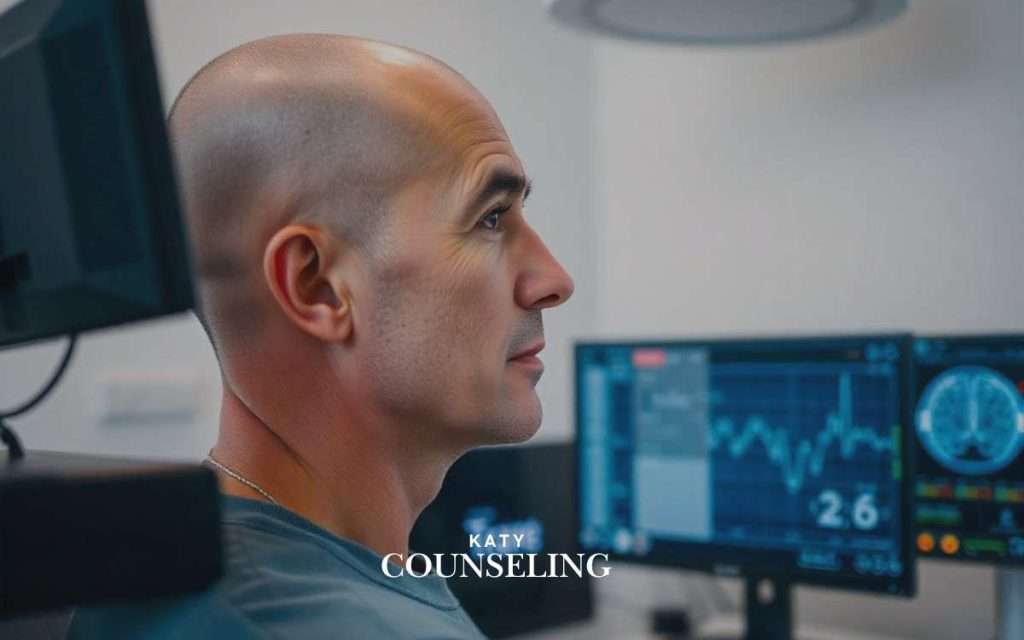
How often and for how long you get LENS neurofeedback matters. More sessions can lead to better results. It’s key to find out the best schedule with a skilled practitioner.
Lifestyle and Environmental Factors
Things like stress levels and sleep quality can affect LENS neurofeedback’s benefits. Living a healthy lifestyle and having a supportive environment can help you get the most out of it.
Is LENS Neurofeedback Permanent? Breaking Down the Research
Many ask if LENS neurofeedback’s effects last forever. Let’s look at the lens neurofeedback duration and lens neurofeedback outcomes research.
Studies show LENS neurofeedback can lead to lasting improvements, even after treatment stops.
How long LENS neurofeedback lasts depends on the person’s brain and how it reacts to treatment.
Patient Success Stories and Outcomes
Also, show the value of looking at lens neurofeedback duration and lens neurofeedback outcomes when judging treatment success.
Some key findings are:
- Patients with ADHD and anxiety see better thinking and fewer symptoms.
- Those with brain injuries show better brain flexibility and adaptability.
- People with epilepsy see fewer and less severe seizures over time.
While the research looks good, remember that lens neurofeedback outcomes differ for everyone. Things like how often you get treatment, your brain’s chemistry, and your lifestyle play a role.
By understanding these factors and the lens neurofeedback duration, you can make better choices about your treatment. This way, you can increase your chances of lasting results.
Maintaining LENS Neurofeedback Results
To keep the benefits of LENS neurofeedback going, it’s key to focus on maintaining LENS neurofeedback results.
This means using strategies that make the treatment work better and stop it from fading away.
A good way to keep LENS neurofeedback working is to stick to a routine. This includes regular sessions and doing practice exercises.
Some important things to think about when keeping LENS neurofeedback results include:
- How often you have sessions: Regular sessions help keep LENS neurofeedback effective.
- Doing practice exercises: These exercises help make the benefits of LENS neurofeedback last longer.
- Changing your lifestyle: Making healthy choices, like reducing stress and getting better sleep, also helps keep LENS neurofeedback results.
By focusing on lens neurofeedback effectiveness and using these strategies, people can see lasting positive changes from LENS neurofeedback treatment.
| Strategy | Benefits |
|---|---|
| Regular sessions | Maintains effectiveness of LENS neurofeedback |
| Practice exercises | Reinforces benefits of LENS neurofeedback |
| Healthy lifestyle changes | Contributes to long-term positive outcomes |
When Additional Sessions May Be Necessary?
Exploring LENS neurofeedback shows us when more sessions might be needed. This is based on signs that the first treatment isn’t working as well anymore.
Signs like a drop in cognitive function, more stress, or old symptoms coming back are key. If you see these, talk to a healthcare expert.
They might suggest more LENS sessions or other treatments to keep the benefits going.
What happens next depends on your needs. Here are some common steps:
- Regular check-ups to see how you’re doing and adjust treatment if needed
- Keeping up with maintenance sessions to keep the benefits strong
- Trying other therapies like cognitive training or mindfulness to boost well-being
Being proactive and watching for signs of a drop in benefits helps keep LENS neurofeedback working for you. This way, you can keep enjoying its benefits over time.
| Signs of Benefit Reduction | Recommended Follow-up Protocols |
|---|---|
| Decline in cognitive function | Scheduling regular check-ups and maintenance sessions |
| Increased stress levels | Combining LENS neurofeedback with stress management techniques |
| Resurgence of symptoms | Adjusting treatment protocols and exploring alternative therapies |
FAQ of Is LENS Neurofeedback Permanent
Is LENS Neurofeedback Permanent?
LENS (Low-Energy Neurofeedback System) results can vary. Some people see long-lasting benefits. But, it depends on brain chemistry, treatment length, and lifestyle.
How Long Do the Effects of LENS Neurofeedback Last?
Effects can last months to years. It varies by person and treatment factors. Studies and success stories show lasting brain and well-being improvements.
What Factors Influence the Effectiveness of LENS Neurofeedback?
Effectiveness depends on brain chemistry, treatment frequency, and lifestyle. Optimizing these can enhance LENS neurofeedback benefits and long-term outcomes.
How Can I Maintain the Results of LENS Neurofeedback?
To keep results, follow up regularly and make lifestyle changes. A personalized plan helps. Monitoring and addressing any decline ensures long-term benefits.
When Might Additional LENS Neurofeedback Sessions Be Necessary?
More sessions might be needed if symptoms return or outcomes decline. A follow-up plan and maintenance strategy help determine when and how often to get more sessions.
Conclusion: Making an Informed Decision About LENS Treatment
Exploring LENS neurofeedback shows it’s not always permanent. Some studies point to lasting benefits, but results vary. It’s important to have realistic hopes and understand what affects outcomes.
If you’re thinking about LENS neurofeedback, talk to a skilled practitioner. Look at the research and think about how it might help you & high expectations counseling orlando.
This way, you can make a choice that could really improve your brain health and happiness.
Improving your mental and emotional health is a personal journey. LENS neurofeedback could be a helpful step towards lasting change. Take the time to learn about it and decide what’s best for you.

About The Author
Kelly Peyton
Kelly Peyton, LPC-S, RPT-S™, is a Licensed Professional Counselor Supervisor and Registered Play Therapist Supervisor with extensive training in trauma-informed and brain-based therapies for children, teens, and families. With thousands of hours of specialized training—including EMDR, DBT, Theraplay, neurofeedback, and the Neurosequential Model—she focuses on helping young people and their families heal and grow. Kelly also serves as the Clinical Director at Katy Counseling, where she helps mentor and train the next generation of counselors.
Learn More